Origin: One Cigar, One History, One Legacy
1️⃣ Cigars and Cuba: The Dance Between Land and People
Cuba, this island stitched together by sunlight and rainforests, is more than just a pearl in the Caribbean Sea. Here, the soil is deep; every climatic force — rainy seasons, dry seasons, storms, and sunlight — leaves its mark on the tobacco leaves — the fragrance of soil, the subtle veins of time.
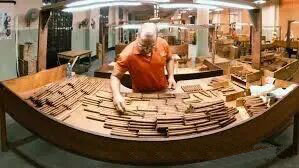
When we light a cigar, what burns is not just smoke, but the breath of this land and its people. The fingertips of cigar artisans, the veins of leaves in drying sheds, and the soft tapping sounds on rolling tables — all are time painting at our fingertips.In this sense, the name Habanos S.A. represents not only a brand manufacturer, but also a legacy — the continuation of hand-rolled cigars, pure Cuban tobacco leaves, and the spirit of craftsmanship.2️⃣ The Germination of the Festival: Why Celebrate Cigars?
Cigars are not only consumer products, but also cultural symbols. For Cuba, they are both a top export and a national symbol. Every rolled cigar may carry the identity of a diplomatic visit, an official gift, or an international auction item.
Therefore, as the world of cigars continues to expand, evolve, be collected, and be discussed, it needs a stage — a gathering that is not just a commercial exhibition, but a ritualized, emotional, and cultural one. Thus, the Cigar Festival came into being.
At this festival, cigars take center stage, with the backdrop of the cobblestones in Old Havana, the hum of cigar factories, the sweat of tobacco farmers, and the aroma in the tasting tubes. The festival reminds us: we are not consuming cigars, but savoring a culture.
3️⃣ From Inception to Brand: The Birth Clues of the Cigar Festival
According to data, the predecessor of the Cigar Festival can be traced back to the end of the 20th century, when cigar brands became increasingly international and Cuban cigars exerted a growing global influence.
And Cigar Aficionado once described the Cigar Festival as:
> “Here for the Habanos Festival … more than 3,000 people from 110 countries … much like the United Nations of cigars.”
> This statement reflects two key points: globalization and cultural aggregation. What the cigar scroll unfolds is not only a world map, but also a time totem of craftsmanship.
> Therefore, the Cigar Festival has evolved from a "manufacturer showcase" to a "cultural celebration": it includes not only visits to cigar factories and cigar knowledge seminars, but also dinners, auctions, brand commemorative collections, and experience activities. These constitute its ecosystem.
1️⃣ Yearly Milestones: Having Gone Through XXV, Welcoming XXVI
In 2025, the Cigar Festival celebrated its 25th edition (XXV Edition).
In 2026, as announced by the official, Festival del Habano XXVI will be held in Havana from February 23rd to 27th.
At this moment, we are not just stepping into the next number, but into an upgrade of ritual: brand commemoration, tobacco leaf scarcity, and global participation. The 2026 event will also focus on the 60th anniversary of Cohiba.
Time marks its milestones at the festival; each edition is both an accumulation of energy and a release of it.
2️⃣ From Brand Commemoration to Cultural Gala
From the evolution of these recent editions of the Cigar Festival, several trends can be observed:
- Gala Dinners and Auctions Become Highlights: Examples include gala dinners, trendy new product launches, handcrafted cigar expositions, and auctions of luxury humidors.
- Expansion of Experiential Activities: These include visits to cigar factories, tours of tobacco fields, cigar rolling courses, cigar tastings, and industry seminars.
- Global Participation: Distributors, collectors, enthusiasts, and media from around the world gather in Havana. The Cigar Festival is no longer just an internal gathering in Cuba, but a summit forum of the global cigar community.
- Strengthened Brand Commemorations: For instance, the 60th anniversary of Cohiba will be the highlight of the 2026 event. Meanwhile, brand-limited editions, new product launches, and high-end experience sessions have gradually become the core of the festival.
When we stand in the venue of the Cigar Festival, we are not only looking at cigars, but also at civilization. From land cultivation to hand rolling, from tobacco trade in the colonial era to luxury culture in the contemporary era, the Cigar Festival is silently telling a thread of civilization:
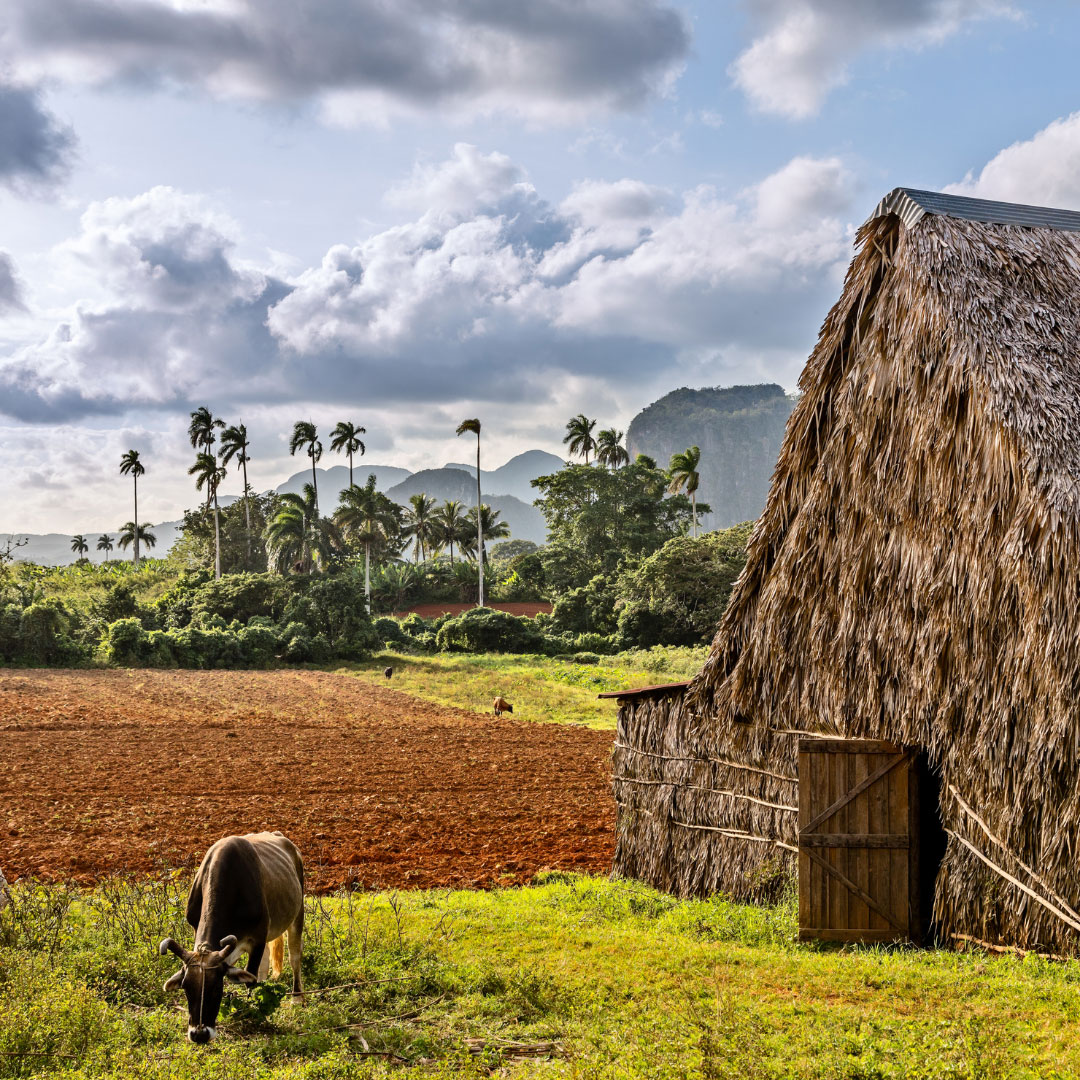
- Cuban tobacco-producing regions: Estates in Viñales Valley, tobacco fields in Pinar del Río — these are gifts from time to the land.
- Cigar factories: Such as El Laguito Cigar Factory and Real Fabrica de Tabacos Partagás. They are not only industrial spaces, but also palaces of craftsmanship.
- Brand system: From Cohiba, Montecristo, Partagás to H. Upmann, behind each cigar brand lies history, diplomacy, and culture.
- Global interaction: Every cigar may set off from Cuban tobacco plantations and eventually burn slowly in the hands of people in Europe, Asia, and North America. The Cigar Festival visualizes this path.
Thus, history is not a cold chronology, but ripples spreading circle by circle in the smoke. What we witness is not just a festival, but the unfolding of a cultural universe.
From February 23rd to 27th, 2026, Havana will host the XXVI Cigar Festival.
Venues include: Convention centers, exhibition halls in downtown Havana, as well as tours to cigar factories and tobacco fields.
Official tourism authorities stated:
“The exhibition hall at Palacio de las Convenciones usually attracts around 1,500 manufacturers, distributors, and cigar enthusiasts.”
You can imagine: By the cobblestone roads in the old town, evening breeze carries cigar smoke; during the day, cigar rollers twisting their necks in factories; in the fields, green tobacco leaves with crisscrossing veins.
“Trade exhibition + new product unveiling” is the main axis of the festival. The 2026 exhibition continues the long-standing tradition: manufacturers gather for brand displays, and supporting industries (such as cigar accessories, humidors, and humidity control equipment) participate in the exhibition.
New product launches are particularly crucial: 2026 marks the 60th anniversary of Cohiba, which is highly likely to be the centerpiece for the release of various new products and limited editions.
During the exhibition, you will see: Humidors auctioned as works of art, master rollers demonstrating on-site, tobacco farmers explaining leaf grading, and distributors negotiating orders. The front hall is about business, but the backstage is about sentiment.
“Visiting factories and exploring tobacco fields” is an experiential activity. Beyond Havana, tobacco-growing areas such as Viñales Valley and Pinar del Río have become the “backstage theaters” of the Cigar Festival.
You can choose to:
- Stand in the moist tobacco fields in the morning, watching leaves tremble in the dew.
- Enter cigar factories in the afternoon, observing master rollers’ hands fluttering nimbly.
- Light a cigar rolled on-site in the evening, sitting quietly with fellow enthusiasts as the setting sun filters through the shutters of Cuban streets.
This is a ritualistic path “from land to cigar.”
The Cigar Festival is not only about entertainment, but also a gathering of knowledge and experience. Seminar topics may include: Cigar and wine pairing, cigar humidity control, cigar collection and auction, and the history of cigar brands.
Masterclasses may invite cigar masters to demonstrate rolling techniques, or offer “cigar sommelier” courses and cigar tastings.
In these sessions, you don’t just “take a puff of smoke,” but “read a piece of culture.”
Nighttime is when the Cigar Festival’s emotions and rituals are most intense. At galas, featured brand showcases, limited editions, and luxury humidor auctions take turns.
The 2025 auction set a record of tens of millions of euros.
The 2026 galas are destined to be “star-studded”: Celebrating Cohiba’s 60th anniversary, high-profile brand displays, and auctions of exquisite handcrafted humidors. You may witness humidors illuminated by lights, raised for bidding, and regarded as works of art. At this moment, cigars are not just objects to smoke — they become collections, rituals, and mementos.
For participants, this is not just an exhibition, but a dialogue between oneself and the world.
- You can talk to cigar enthusiasts from around the world in the exhibition hall, as the saying goes: “The Cigar Festival is the United Nations of the cigar world.”
- You can raise a glass at night, sitting alongside rollers, renowned collectors, and brand representatives, listening to their stories about tobacco leaves, land, and brand origins.
- You can also sit quietly in the fields, lighting a cigar you rolled yourself, watching the wind carry the smoke as if sweeping away the world’s noise, leaving only the slow-burning flame and cigar ash.
All of this — is the “breathing space” given by the festival.
When you take the first gentle puff of smoke, it is not just the release of aroma, but a whisper of memories in your chest. Perhaps you recall childhood: a small 7.2-square-meter room, family sitting around, the lingering warmth after the small fire went out. That intimacy and warmth resonate surprisingly with the posture of holding a cigar while sitting on the cobblestone steps of Havana’s old town.
The Cigar Festival reminds us: No matter how far we fly or what status we attain, a single cigar can still bring us back to our “roots.” Roots are the land, history, and craftsmen.
Cuba is not just a production site, but a cultural symbol — hand-rolled cigars have almost become Cuba’s “business card.”
The Cigar Festival is a microcosm of cultural export: The brands at the exhibition, global participants, and auctions of luxury humidors all reflect the commercialization, artisticization, and ritualization of culture.
At the same time, it calls for a “slow life experience”: In a fast-paced world, entrust time to the land, breath to the smoke, and mood to conversation.
The Cigar Festival does not just ask us to see what is visible, but encourages us to “listen” — to hear the echoes of that land, those people, and that time.
At the 2026 juncture, the Cigar Festival not only celebrates Cohiba’s 60th anniversary but also faces challenges from the global tobacco market, collection culture, luxury trends, and travel restrictions.
- Auction records of luxury humidors remind us: Cigars are no longer just tobacco, but assets and works of art.
- As global mobility slows and climate change affects tobacco-producing regions, the Cigar Festival may also reflect the changes of this era.
Therefore, participating in the Cigar Festival is not just experiencing a traditional ritual, but witnessing how a tradition is endowed with new meanings in the times.
Suppose you are in Tallinn, sitting in front of a computer in the office, reading this article. You feel a longing for a cigar festival far away on the other side of the Caribbean. You may not fly to Havana immediately, but you can:
- At that moment, treat the cigar (or cup of tea, or coffee) in your hand as a “ritual focus.”
- Imagine yourself in Havana’s old town, with glistening cobblestones, sea breeze brushing your face, and smoke lingering.
- Trace back in your mind: Land — leaf veins — cigar roller — yourself. This chain makes you feel connected.
Thus, the Cigar Festival is not just “what they are doing,” but a “narrative we can also participate in.”
When the five-day festival ends, the exhibition hall lights dim, the auction hammer falls silent, and Havana’s night returns to tranquility.
Rising from the smoke is a faint lingering warmth. You can smell the rhythm of “being lit, burning out, and leaving ashes.”
But after the lights go out, what truly remains is a sense of “participation” — I have seen, I have narrated, I have experienced. You may not have stood in the center of the stage, but you have constructed that factory, that tobacco field, and that gala in your heart. You have become part of the story.
In 2026, the XXVI Cigar Festival is about to begin.
It invites you — not just as a spectator, but as a storyteller and an arrival. Amidst the interweaving of smoke and light, discover the journey that connects the land, craftsmen, brands, and the world.
A cigar is a burning memory and an unfinished conversation.Between the old walls and palm trees of Havana, time is stretched by smoke, and history is savored puff by puff.What we light is not just tobacco, but the breath of that land and those people.May you bring this thought of the Cigar Festival back to your world, letting it burn slowly and be savored gently.
— To the New World of Jobs, a Tribute Amidst Smoke and Clouds.